




After eight consecutive years of losses, British cycling apparel brand Rapha is increasingly looking to China as part of its turnaround strategy. This new tack follows a major write-down by parent company Carpegna Ltd, which cut more than £100 million (about US $135 million) from Rapha’s books after the brand failed again to hit profit. In the most recent fiscal year, revenue declined year-on-year, net losses remained substantial, and the company’s run of deficits – now stretching back to 2017 – continued.
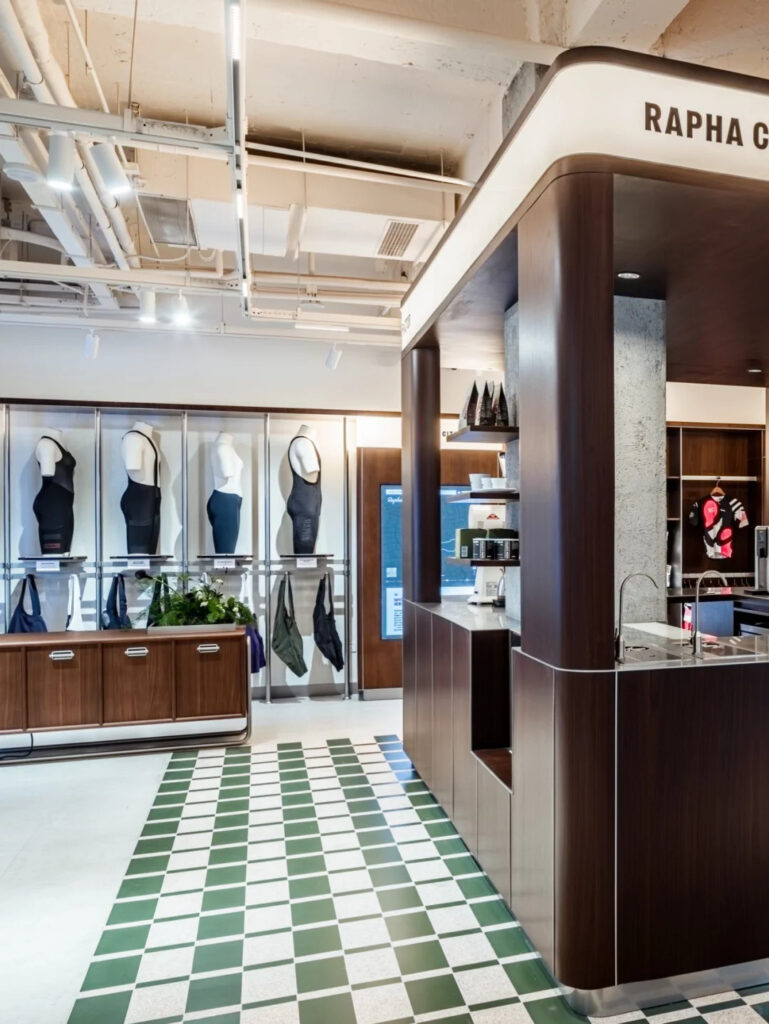
With all that as backdrop, Rapha has moved to expand its mainland China game. In late November, the brand opened its first directly operated store in Shanghai, signalling a concerted push into the market as demand in Europe and other mature cycling markets cooled after a pandemic-era boom.


But the strategy is not without risks. Rapha’s products sit firmly at the premium end of the market, with most items priced around RMB 1,000 (about US $142) and its top-tier performance range reaching several times that level. Chinese media covering the topic point to reports indicating that most domestic consumers spend far less on cycling apparel than they do, say, running shoes – a signal of significant gaps between spending habits and Rapha’s pricing.
Add to this that competition is intensifying. International performance labels have expanded rapidly in cities like Shanghai, while domestic brands continue to gain share with lower-priced offerings. Big, affordable sportswear brands sell most of the volume, making it harder for premium newcomers to scale.
Management has argued that differentiation, rather than discounting, will determine Rapha’s prospects in China. The brand has scaled back promotions, streamlined its product range and reduced the number of annual launches, while placing renewed emphasis on community-building through club membership and organised rides. Strategies like this are showing potential by other premium foreign sportswear brands, Hoka and On Running come to mind.
Early signs of traction remain limited but visible. Rapha has built a small base of club members in major cities and reported growing participation in branded cycling events this year. Whether that momentum can support a sustainable, full-price business in one of the world’s most price-sensitive cycling markets remains to be seen.