



EU parcel fees: Key takeaways
- A new €2 handling fee adds to the €3 customs duty already facing low-value imports into the EU
- Shein and AliExpress are expanding European warehousing, while Temu has offered some shoppers discounts against the fees
- Holding stock closer to customers could speed up deliveries, but brings more inventory commitments
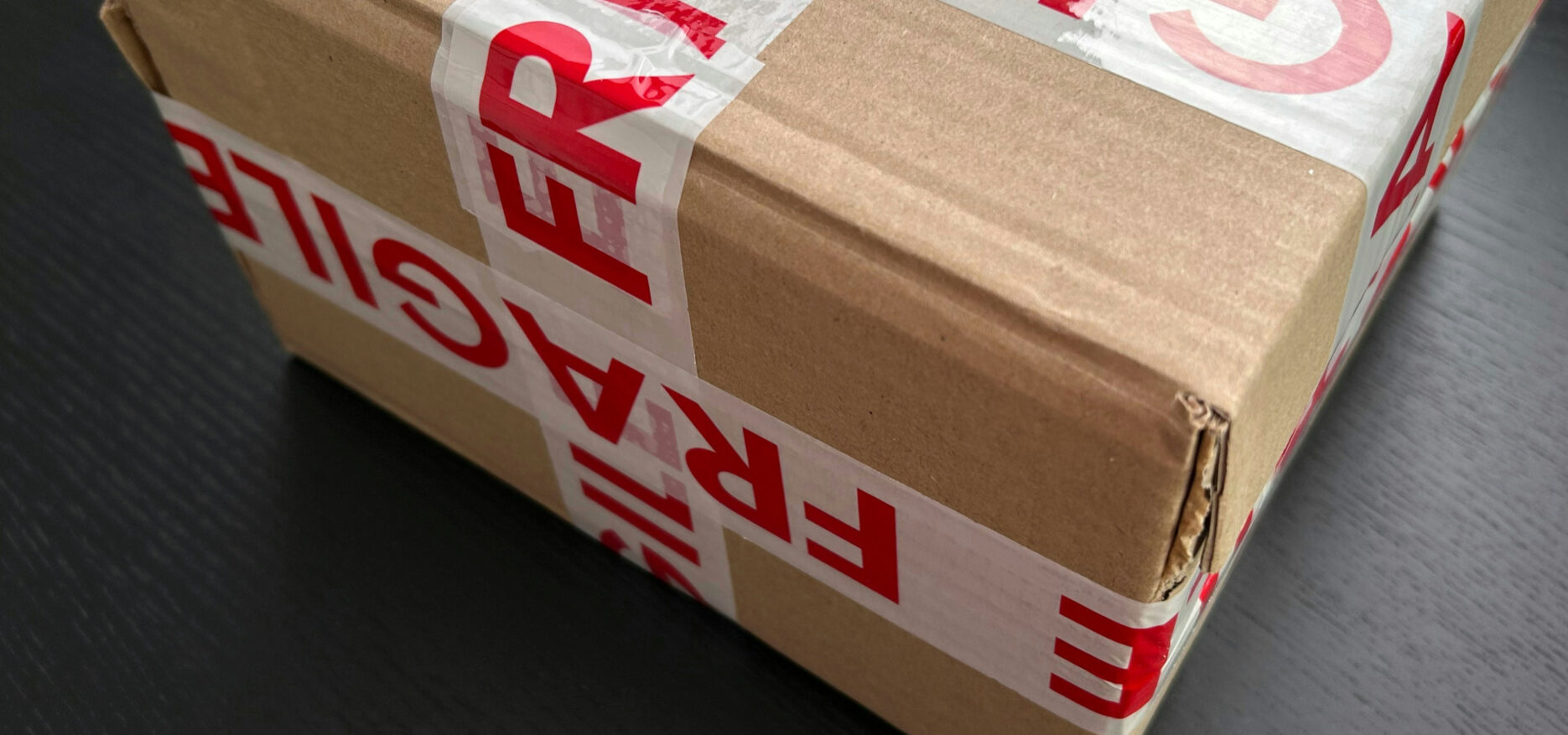
Chinese e-commerce giants are getting hit with a bigger bill for bringing cheap goods into Europe. It’s coming courtesy of a €2 handling fee the EU introduced on 1 November. That’s added to the €3 customs duty imposed on low-value imports in July. Chinese platforms are pushing bargain prices, but now the euros are starting to add up.
A basket of little purchases could become rather less cheap
There’s a catch for shoppers, too. The charges apply to each distinct declared item or category, not once for the whole parcel. That means a basket of little purchases could become rather less cheap. Businesses will pay the handling fee, but the worry is that they’ll pass it on to customers.
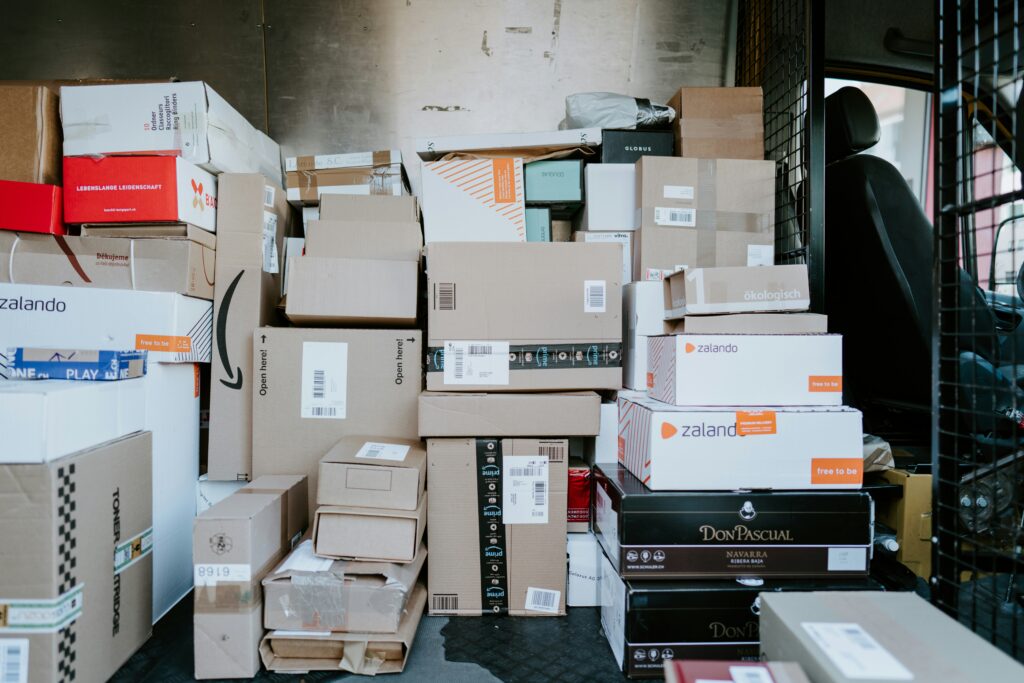
So why is this happening? 5.8 billion packages worth less than €150 arrived in the EU in 2025. European authorities want to tackle undervaluation and unsafe products, while giving customs teams more resources to check what’s coming in.
5.8 billion packages worth less than €150 arrived in the EU in 2025
Chinese platforms are already making the adjustments. They’re expanding their European warehousing. Shein is expanding warehouse space in Poland. Alibaba-owned AliExpress says it is increasing local warehousing.
Temu has taken a more immediate approach. It’s offering some shoppers discounts against the fees. Even with these measures to protect themselves, the charges are expected to bring in serious revenue for the trading bloc: a forecasted €6 billion annually into the EU 2028–34.
The Dao view: time to stock up?
Moving goods closer to European shoppers has its attractions. Deliveries can arrive sooner. Returns become easier to manage. But someone has to choose which products to stock before customers place their orders.
That means paying for storage and risking leftovers if demand doesn’t match. These Chinese platforms with their hefty selections and slim prices now face a balancing act: keep the bargains coming while taking on the kind of commitments conventional retailers already know well.