


Starbucks China purchase-to-sit policy: Key takeaways
- Starbucks’ introduces a nationwide purchase-to-sit policy prioritises paying customers
- The change puts clearer commercial boundaries around its ‘third place’ ethos
- Protecting seats could improve the café experience, but Starbucks still needs to justify its premium against cheaper domestic competitors
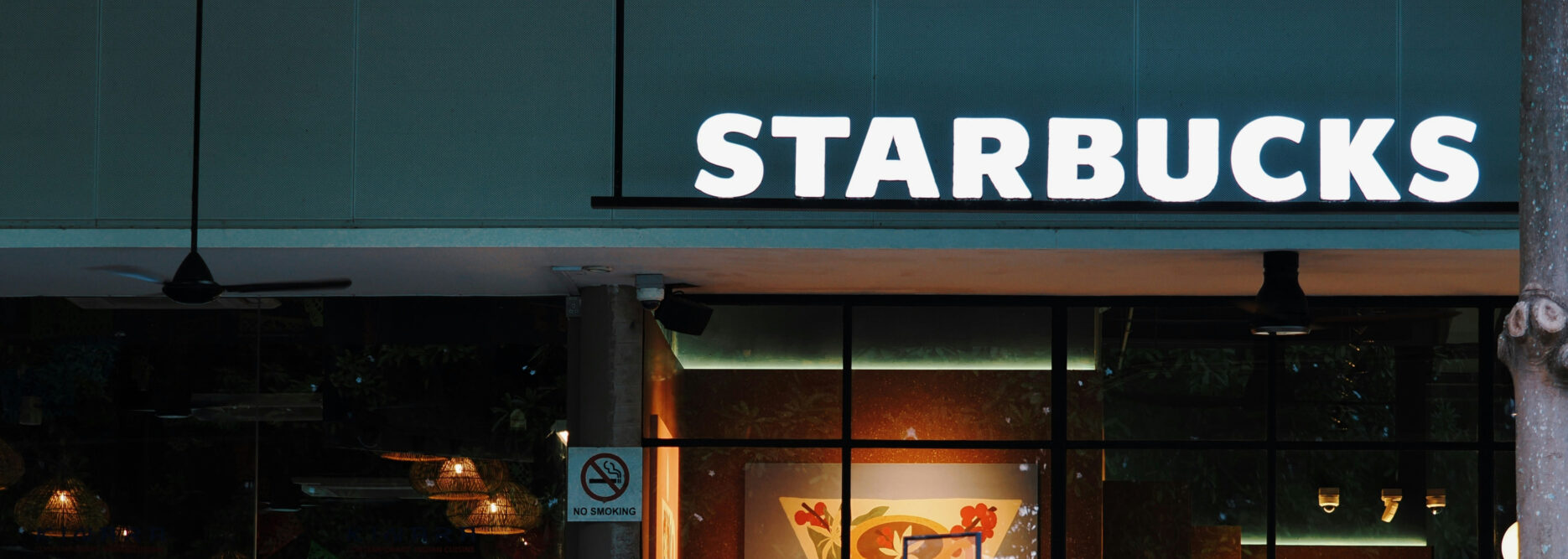
There’s charm to the way people in Mainland China use third spaces. Chain cafes and fast-food restaurants double as living rooms for people whose apartments may be too small to have one – no purchase required. At Starbucks (星巴克), that is all changing. They’ve introduced a purchase-to-sit policy.
It’s in effect at all the brand’s approximately 8000 China branches and aimed at improving the experience of paying visitors. The policy found broad support among social media users. And there’s precedent to back it.
The Sichuan store actually chaining up outdoor furniture to stop non-payers using it
Disputes at individual branches in Tianjin and Sichuan attracted attention earlier this year, the Sichuan store actually chaining up outdoor furniture to stop non-payers using it. This nationwide policy gives staff clearer guidance on an issue previously handled locally.
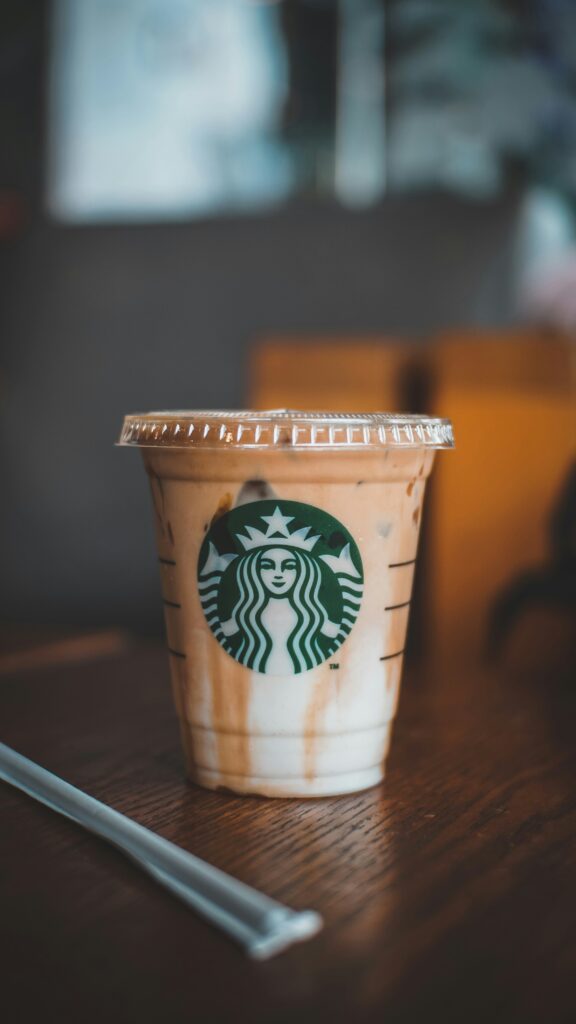
But there is a challenge: Luckin and other domestic chains attract consumers with cheaper drinks and convenient ordering. Starbucks’ whole proposition places emphasis on the café itself. Its ‘third place’ beyond home and work, where customers can meet, relax or open a laptop. The new policy does make that third-space ethos a little less welcoming.
Starbucks reversed its open-door policy in North America in January 2025
There is international precedent too. Starbucks reversed its open-door policy in North America in January 2025. In China, implementation retains some discretion: pregnant visitors and people with limited mobility will receive priority assistance, while reporting indicates delivery riders can still shelter from bad weather.
The Dao view: The Starbucks China purchase-to-sit policy still leaves one major challenge
Starbucks is trying to make the third space more comfortable for people that actually pay to use it. To think about it in a purely economic sense, the brand is trying to find a higher calibre of customer – one that provides more value per chair.
Clearer boundaries around seating will help protect an experience central to its appeal. They do still have a wider challenge though: making sure service is better and surroundings are nicer than the competition that undercuts them on price, and the ability to lounge around without paying.