


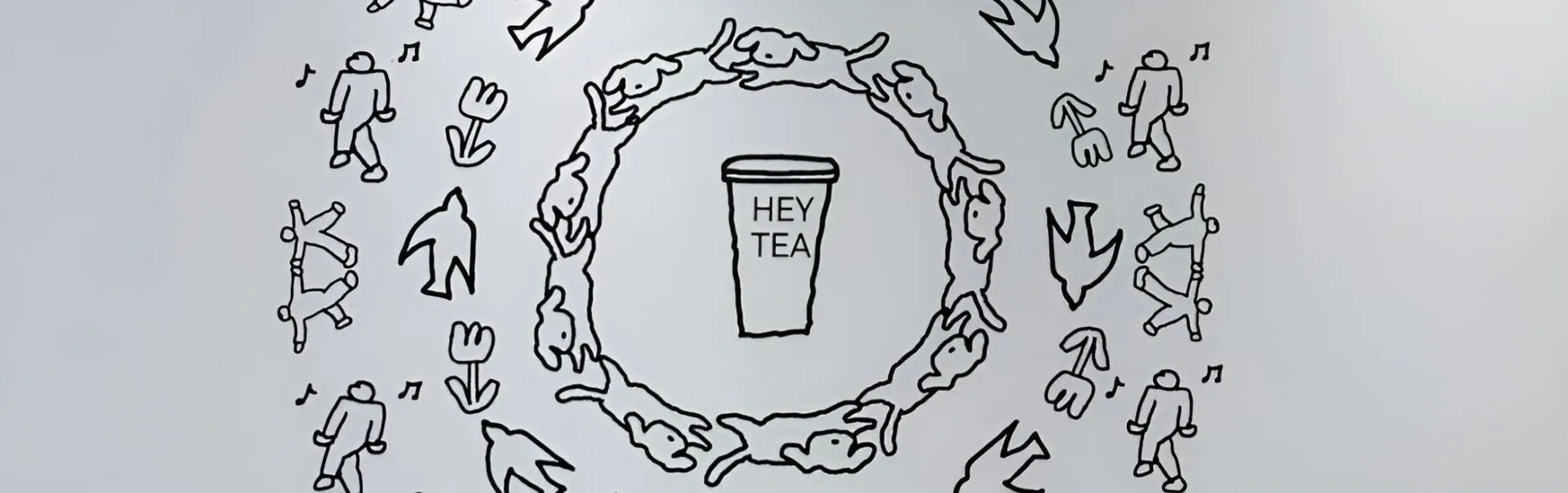
At a Heytea store, the boarded-up site of a renovation has been transformed into an art wall displaying user-generated cup stickers. Not printed, but physically tacked on, each one slightly crooked, edges exposed, intentionally unpolished.
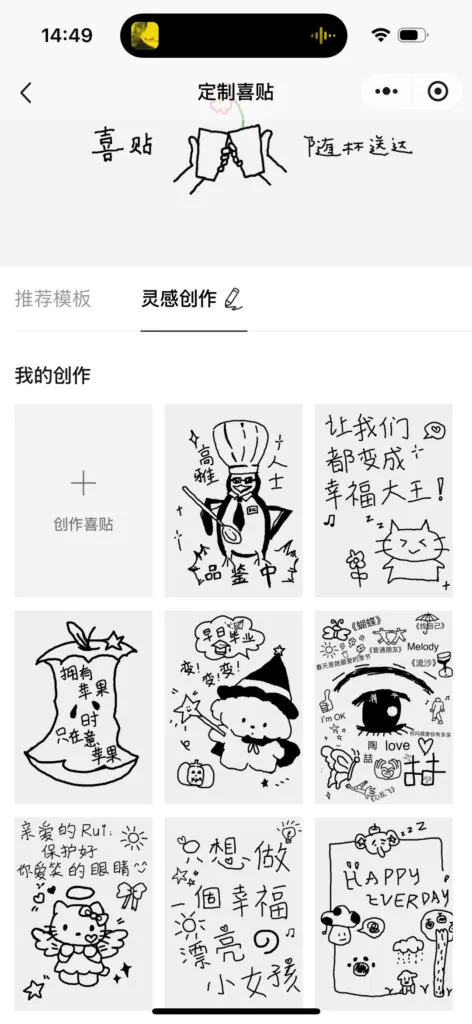
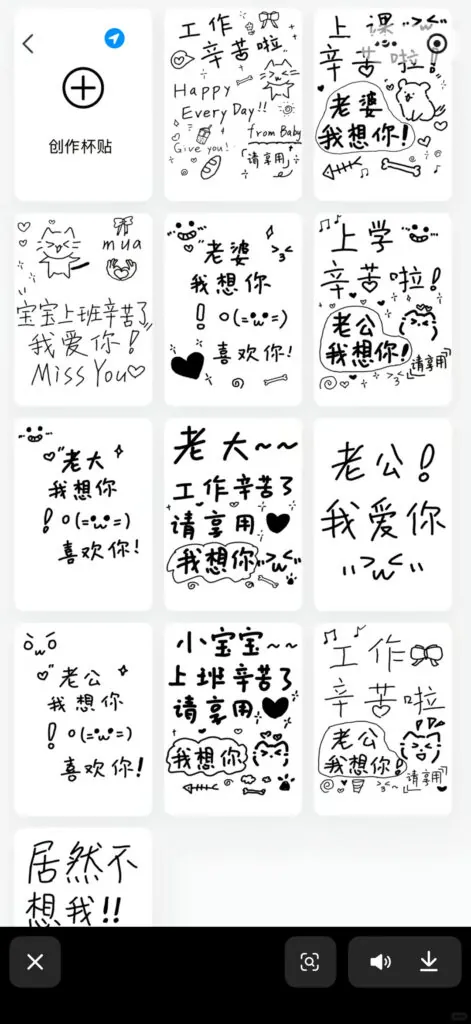
The stickers themselves come from Heytea’s in-app feature, where users can design their own cup labels. It’s been a popular feature of Heytea’s branding for a while now and has grabbed heaps of attention online over the years. What’s new is how that function is being pulled offline. Instead of leaving it as a digital novelty, the brand is giving selected creations real-world visibility, turning passing foot traffic into an audience.
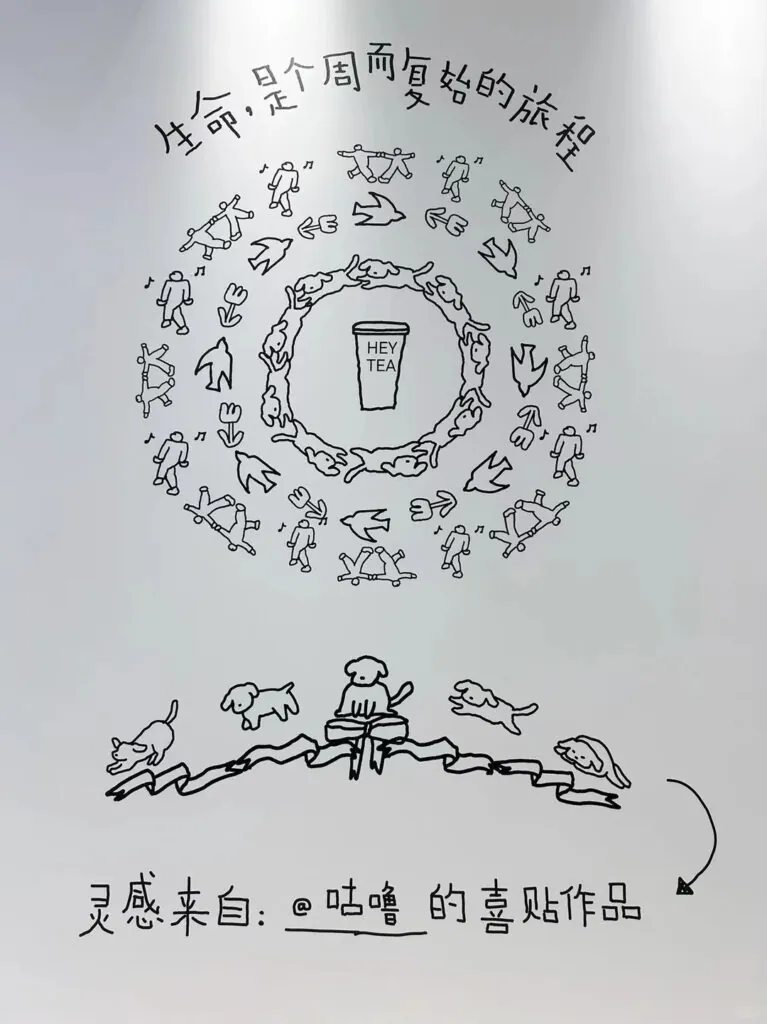
Some creators have shared that Heytea formalised the process with contracts and authorisation paperwork, suggesting this isn’t a loose grab but something closer to a managed creative pipeline. Selected designs don’t stop at the boarded-up panels of a construction site either. They’ve even begun appearing on brand merchandise.
The move builds on a pattern. Heytea has been using construction site hoardings as a low-stakes creative surface for some time. Last year, a store drew attention for leaving a typo in place, crossing it out by hand and rewriting the correct character rather than replacing the entire board. In Hong Kong, another location edited ‘coming soon’ into ‘coming slowly,’ tapping into an, anti-hustle tone.
What ties these stunts together is control, or the appearance of letting go of it. The aesthetic plays casual, even careless, but the system behind it is increasingly deliberate. By bringing user expression into physical retail, Heytea is doing more than turning a bland bit of boarding into an art wall. It’s turning everyday participation into something with scale, visibility, and just enough authorship to feel shared. It’s a solid message for Heytea to be putting out – one that lets customers feel the brand is being built with them, not just for them.