


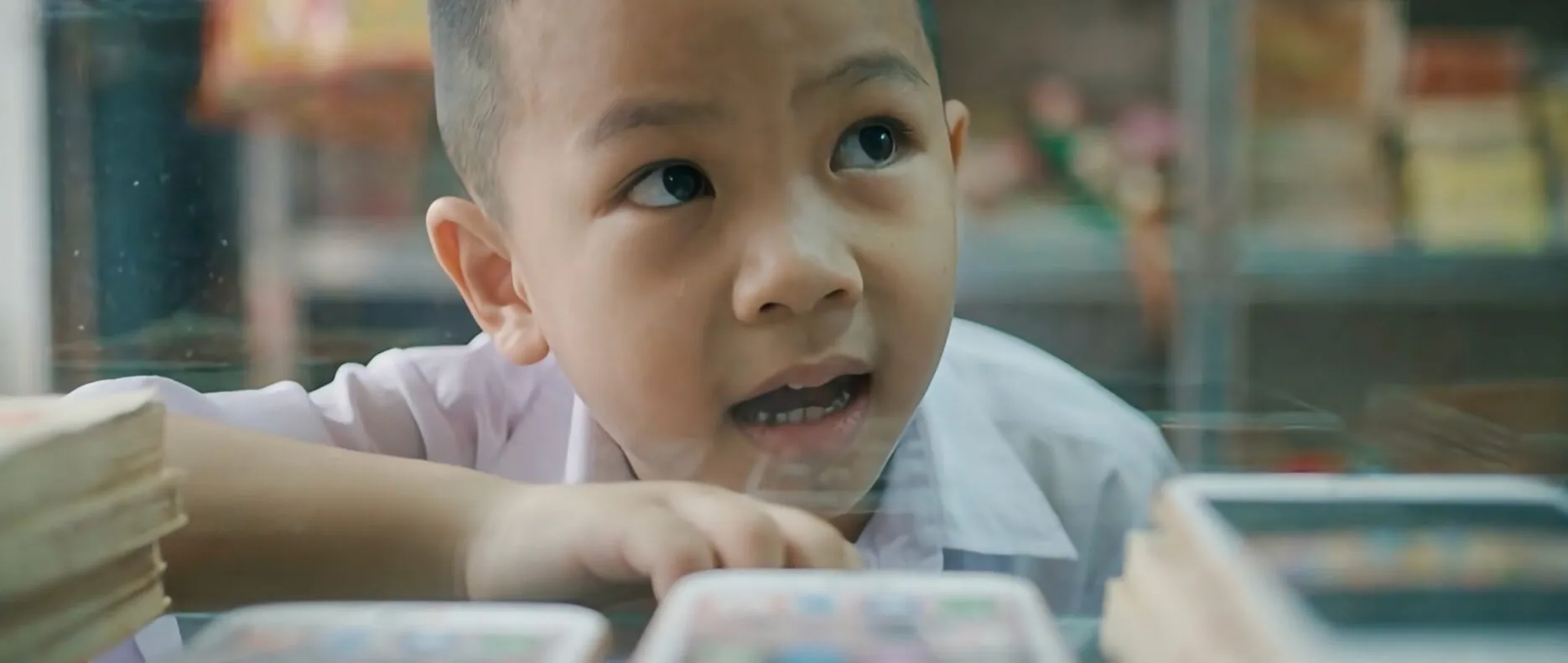
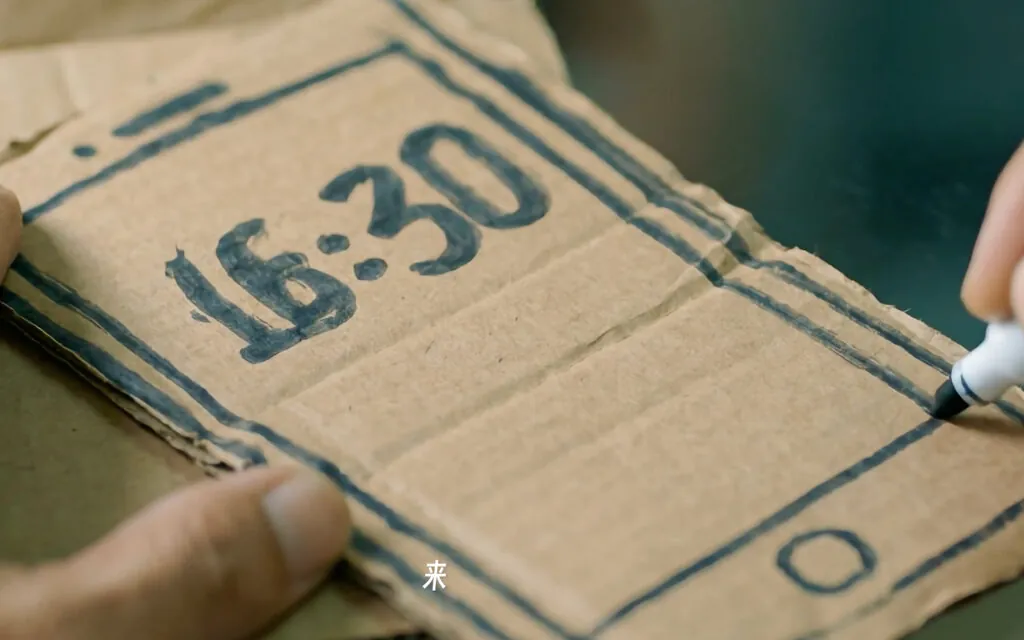
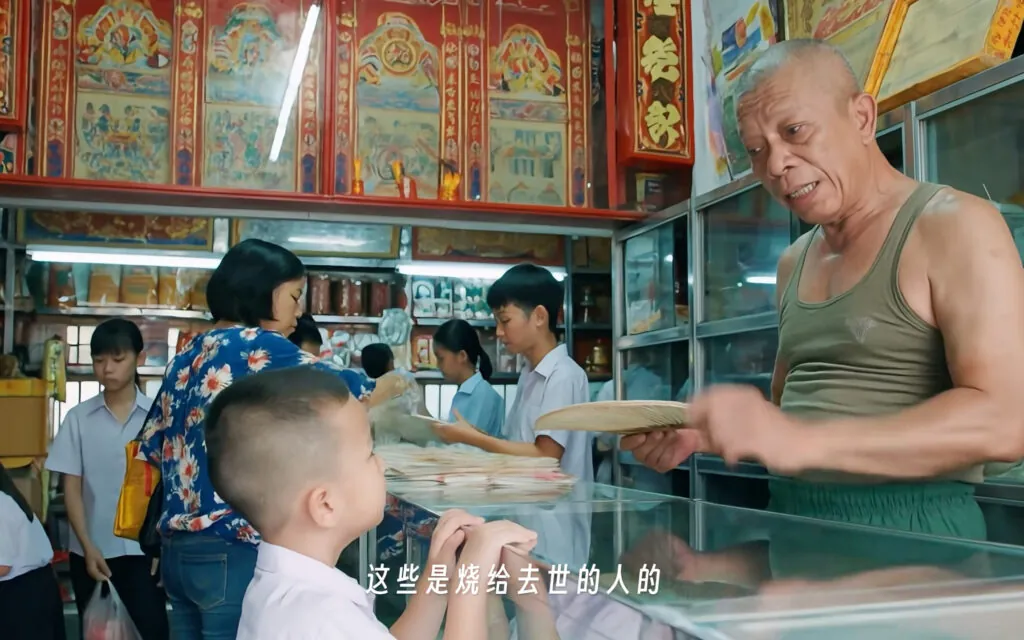
Kling AI (可灵 AI) is using Qingming Festival to test a different kind of AI storytelling with a short film titled Paper Phone (纸手机). The film follows a child’s attempt to stay connected with his late grandmother. He saves RMB 15 to buy a paper phone from a funeral goods shop, hoping it can reach the afterlife.
His questions about death put in the way children often ask them: direct, unresolved, and disarming. The shopkeeper’s slow recognition of what the boy is trying to do hits right in the feels.
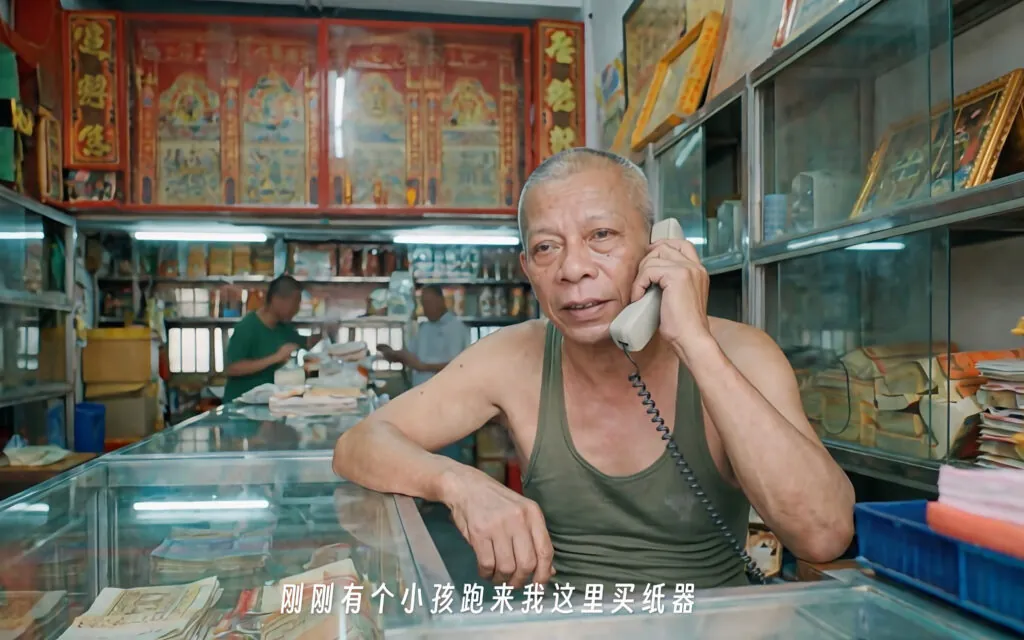
Directed by Li Ting and written by Yang Xuan, the film was generated almost entirely using AI. There are no live actors. Aside from a physical paper prop, everything on screen is synthetic. The team moved from storyboard to final cut in three days.
In that time, they nailed down a pretty tight concept that draws on Chaoshan (潮汕) funeral customs – the paper offerings at the narrative’s centre. The specificity does work. It grounds the story in lived ritual that Chinese consumers will recognise rather than generic sentiment.
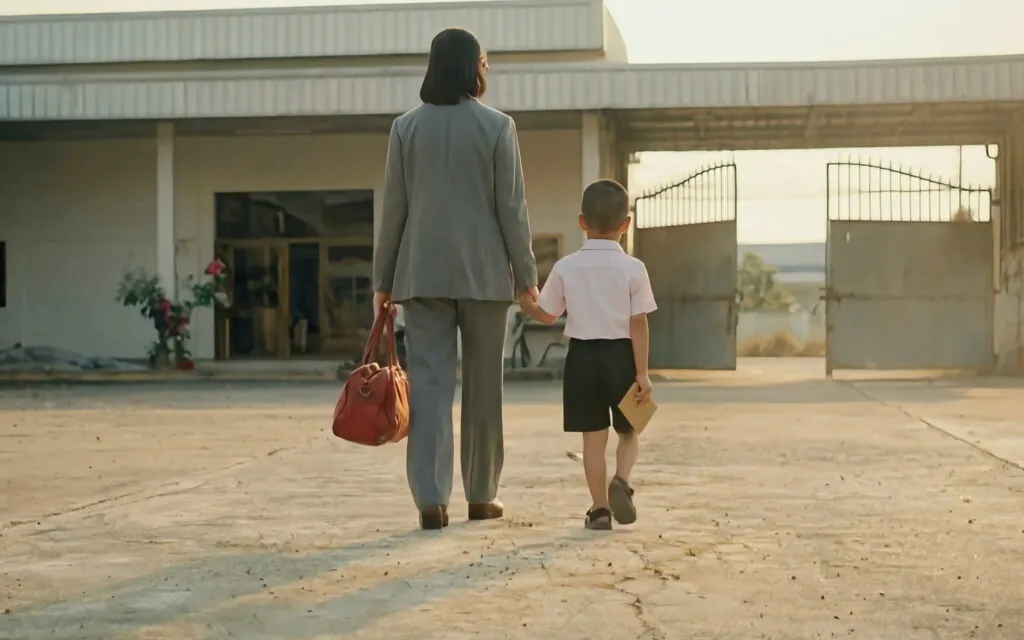
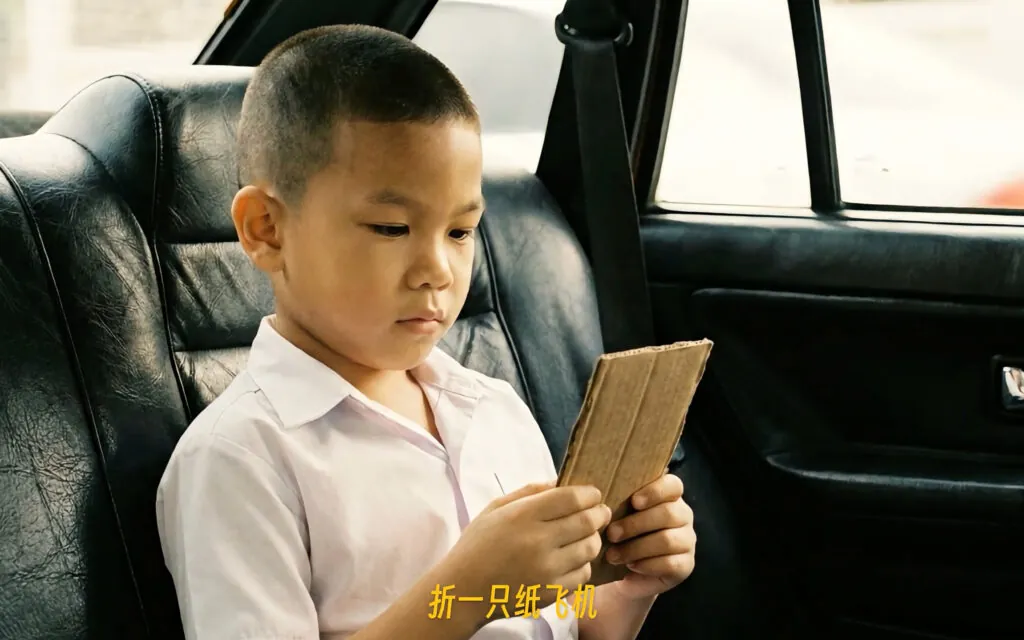

Technically, Kling 3.0 is doing what it needs to. The hangups of bad AI production are absent. Character consistency, micro-expressions and motion are stable enough that viewers can stay with the story. A closing long take, paired with an AI-generated children’s song, brings the film to a slow, powerful finish.
But what’s really cool is the story they chose to tell. Most AI-generated films play pretty heavy handedly with novelty or scale. Showy pieces like the recent SeeDance 3.0 film that saw director Jia Zhangke show himself through AI renderings of his own films are designed to induce awe. With Paper Phone Kling AI goes in the opposite direction, positioning AI as a tool for restraint. If earlier AI films asked what the technology can do, this one asks what it should do. The result is heartwarmingly human.