



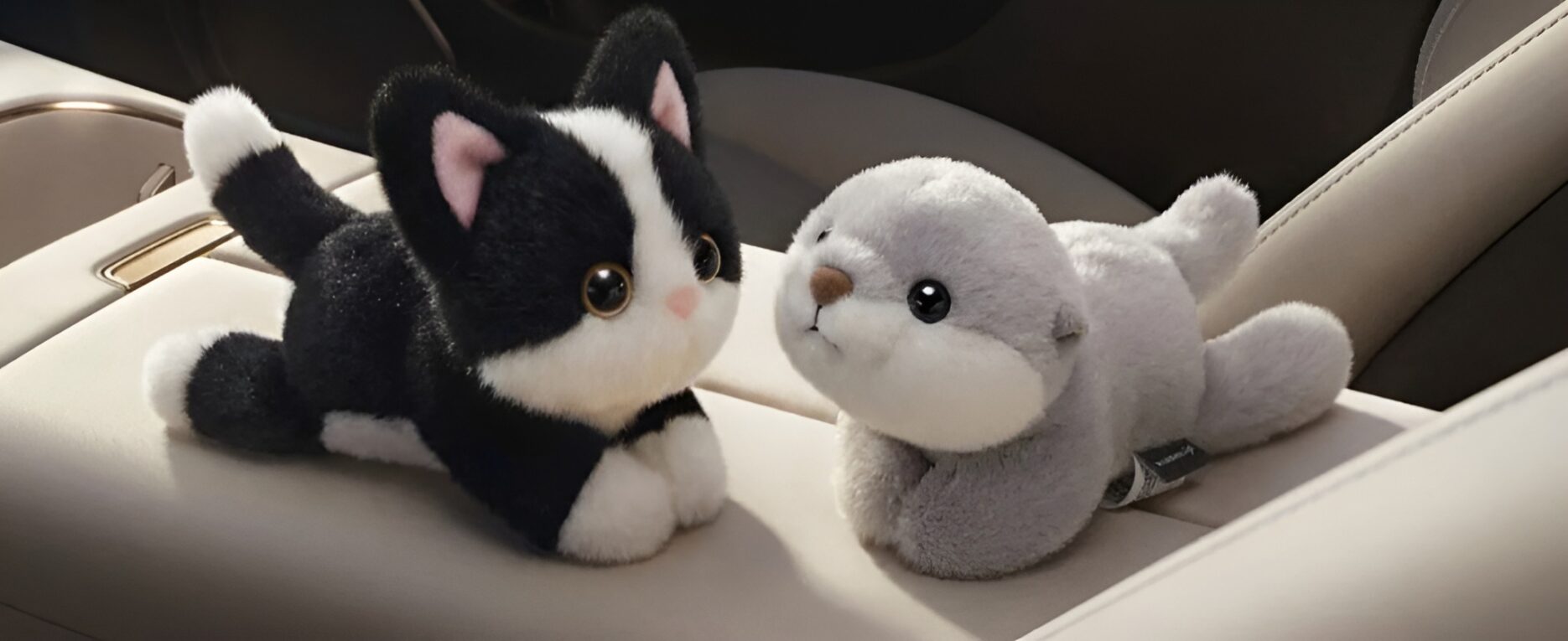
Xiaomi Auto (小米汽车) recently launched its new SU7. There was the usual fanfare and a promotion with two big stars. But now the spotlight is on a RMB 79 plush toy. The accessory sold out on day one, with CEO Lei Jun (雷军) calling it the brand’s fastest-moving add-on to date.
This Xiaomi SU7 toy is shaped either like an otter or maybe a cat (your choice), embedded with an NFC chip. Place it on a magnetic point inside the car and the system responds. The dashboard switches to a themed interface where animations appear on the central screen. Sound effects play throughout the cabin; ambient lighting shifts to match.

With this Xiaomi SU7 toy, the brand is cleverly turning the car into a platform for lightweight emotional interaction. The toy is their entry point: low cost, high frequency, and easy to personalise. Any automaker can compete on hardware and spec. Any of them can wave performance metrics about like they’re all that’s important. But who else is trying to build an emotional bond with their drivers?
You can see something of a broader trend here. Younger consumers increasingly want more from a product than just function. If a product can offer an emotionally resonant element, it often hits.
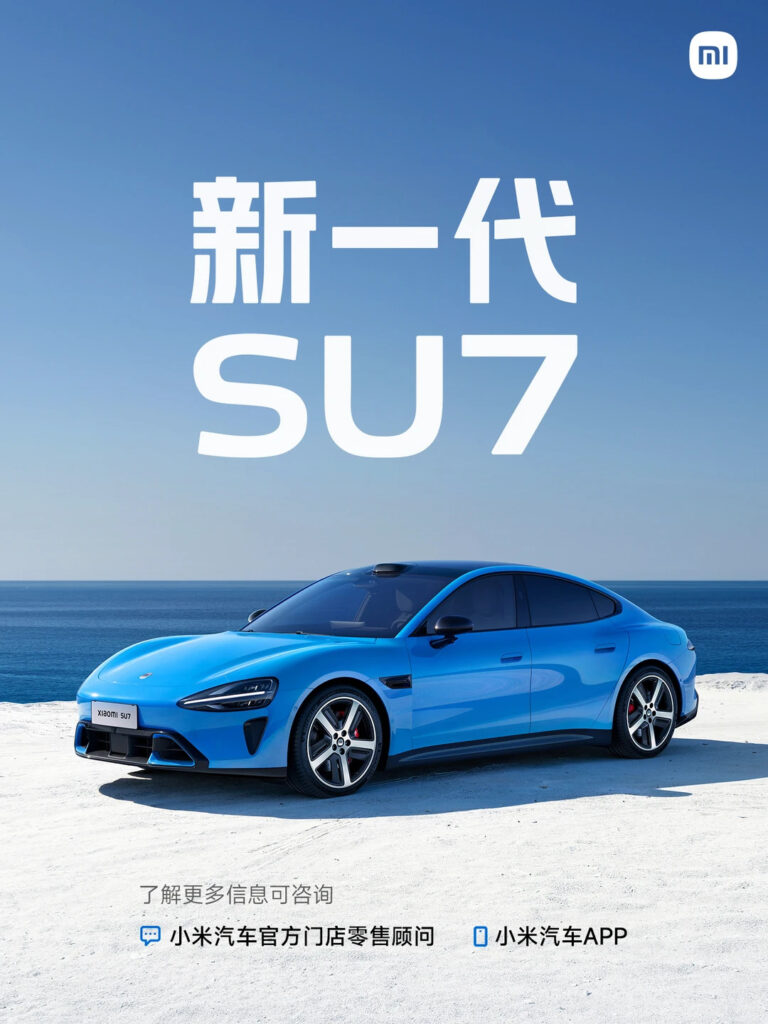
It also reflects a wider industry direction. As EV makers converge on similar core technologies, differentiation is moving into software, ecosystems and user experience. Features that were once peripheral are becoming central to brand identity.
That’s interesting because it opens up a new layer of competition. It could be that the future of the automotive business is not just who builds the best car, but who designs the best moments inside it. Are cars becoming media spaces, where interaction, mood and identity carry as much weight as movement or performance specs?