




ByteDance (字节跳动) is tightening the screws on internal misconduct with a corruption crackdown that reflects a move spreading right across China’s tech sector. Corruption has become a problem in Chinese big tech. Employees have been embezzling funds and leaking trade secrets. On 27 March, ByteDance’s Corporate Discipline and Professional Ethics Committee released its first 2026 bulletin for mainland China, outlining the finer points of the issue.
The report tracks Q4 2025 cases. Here are the numbers: A total of 65 employees were dismissed for breaching internal rules. Of those, ten were named in serious cases, including seven transferred to judicial authorities on suspicion of criminal offences. Several were also added to a shared industry blacklist.
While the headline number is down from the previous quarter – 120 dismissals and 14 criminal referrals – the focus of enforcement is widening. Information security and social media leaks are emerging as key pressure points.
Nine employees were dismissed for lending out corporate tools such as Feishu (飞书) accounts and devices. Throughout 2025, ByteDance filed twelve civil lawsuits against staff accused of leaking confidential information. That included instances where staff had done so through paid external consultations. There were also a string of cases involving false disclosures on platforms like Maimai and Rednote (小红书), running the risk of damaging brand reputation.
The Dao view: ByteDance and the industry corruption crackdown
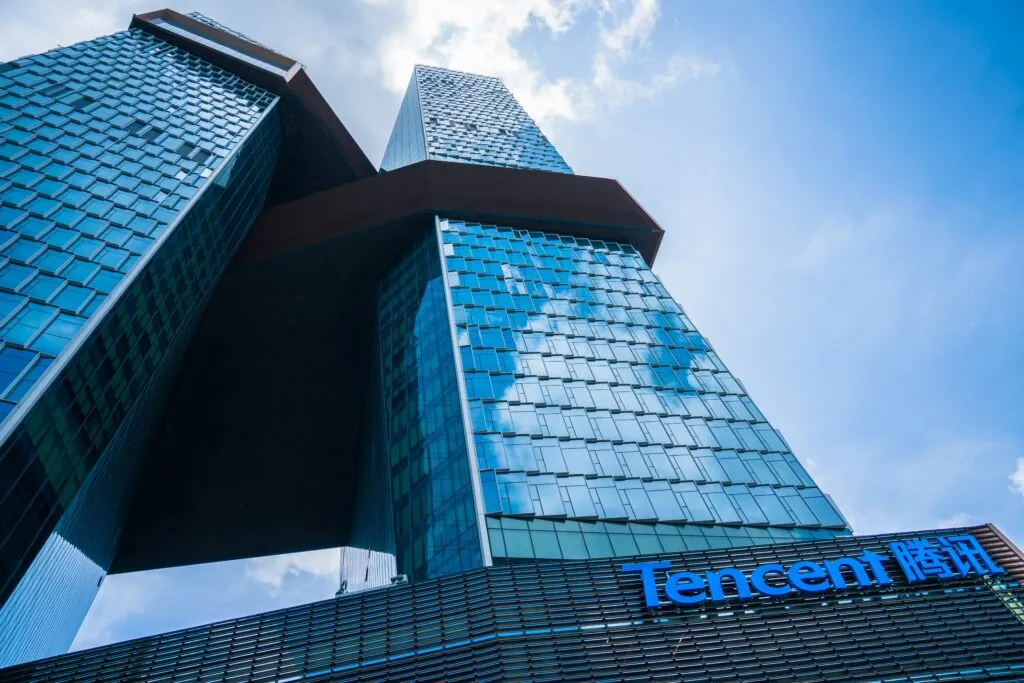
What’s really changing is the structure of enforcement. ByteDance’s use of industry blacklists aligns with a wider push led by companies like JD.com (京东) and Tencent (腾讯). Cross-company mechanisms like the Sunshine Integrity Alliance (阳光诚信联盟) have been set up to share misconduct records, effectively restricting job mobility for offenders across the major platforms.
At the same time, internal systems are being sharpened. Tencent operates a codified ‘red line’ framework backed by a dedicated anti-fraud unit and regular case disclosures. JD.com has extended enforcement beyond employees into suppliers and partners, targeting corruption across the full commercial chain.
The result is a more interconnected landscape. For employees, dismissal is no longer the endpoint. In serious cases, the consequences range from industry exclusion to full-on criminal liability.