



Come spring, platforms rush to publish their take on what’s hot. Lists get longer, language gets denser, and most of it blurs together in ways consumers fail to care about. This year, Tmall Super Category Day has taken its trend marketing down a different route.
With it, they demonstrate a keen awareness of young Chinese peoples’ fatigue to endless marketing, and turn an early spring trend push into something more akin to experience than a report.
Tmall and a new approach to trend marketing: A glitch that wasn’t


The campaign opened with apparent media failure. In Shanghai and Guangzhou, huge TV billboards hung over busy shopping streets stuck on a loading symbol. Something had gone wrong. Passersby filmed the moment, then splashed it across Xiaohongshu, alarmed that the screens had bugged out.
Only they hadn’t… The glitch was a deliberate hook. Once the glitch-out cleared, screens revealed frames of Tmall’s Early Spring Trend Awards (早春趋势大赏). No product drop (though products were a core part of the campaign). No ramming trends down the throats of consumers. It was more like an invitation to start afresh, step into something new.
From abstract trends to everyday refreshes


Too often, trends are packaged in industry language that feels distant from how people actually live. They’re seen but not internalised. Tmall sidesteps this by reframing its ‘early spring trends’ as ‘partial life refreshes (人生局部刷新).’ The idea is clearly aimed at younger consumers.
In China, that demographic isn’t interested in big, sweeping transformations. They’ve been blasted to the point of deafness with that kind of marketing. Young people are now showing much more interest in small, undramatic changes.
New trends, old spaces


When it came to pushing products, they weren’t placed in your typical polished or aspirational settings. Tmall put them in almost eerily dissonant environments. A laptop in an old house, a mattress on the front lawn, shoes used as a flowerpot. As with the glitching screens, they’re grabbing attention with something that feels off.
In a media environment of consumer fatigue, a move like that feels different. It invites a second look, and with it the possibility of a maybe-I’ll-give-that-a-try type attitude.
Going offline

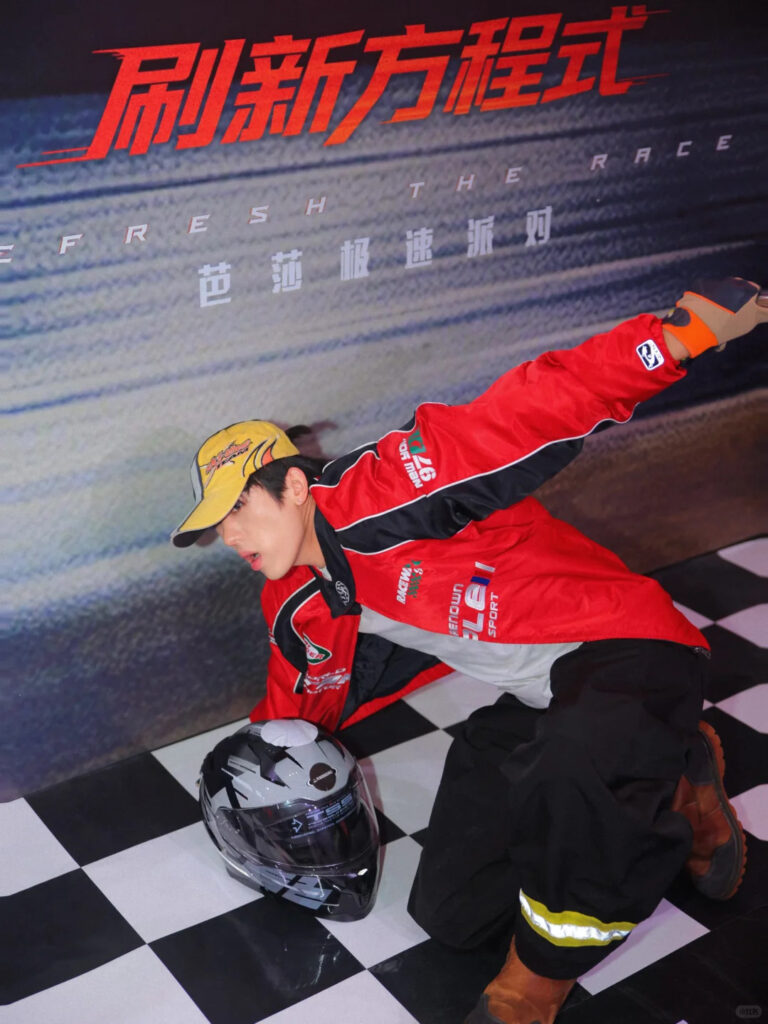

Tmall extends its narrative beyond visuals into interaction, turning trends into something users can explore and enact. On Xiaohongshu, a digital ‘life first-experience’ (人生初体验) pop-up invites users into creaky old house in the virtual world. Each room maps to a trend, shifting audiences from passive viewing to active discovery. Influencers and user-generated content then grounded these ideas in everyday use.
The campaign later pivots to Shanghai’s F1 buzz, positioning that spring refresh through racing logic: sleep as pit stops, AI as race control, wellness as fuel. Again, those small, repeatable upgrades, but amplified through a high-performance lens.
Tmall trend marketing: Closing the loop with commerce
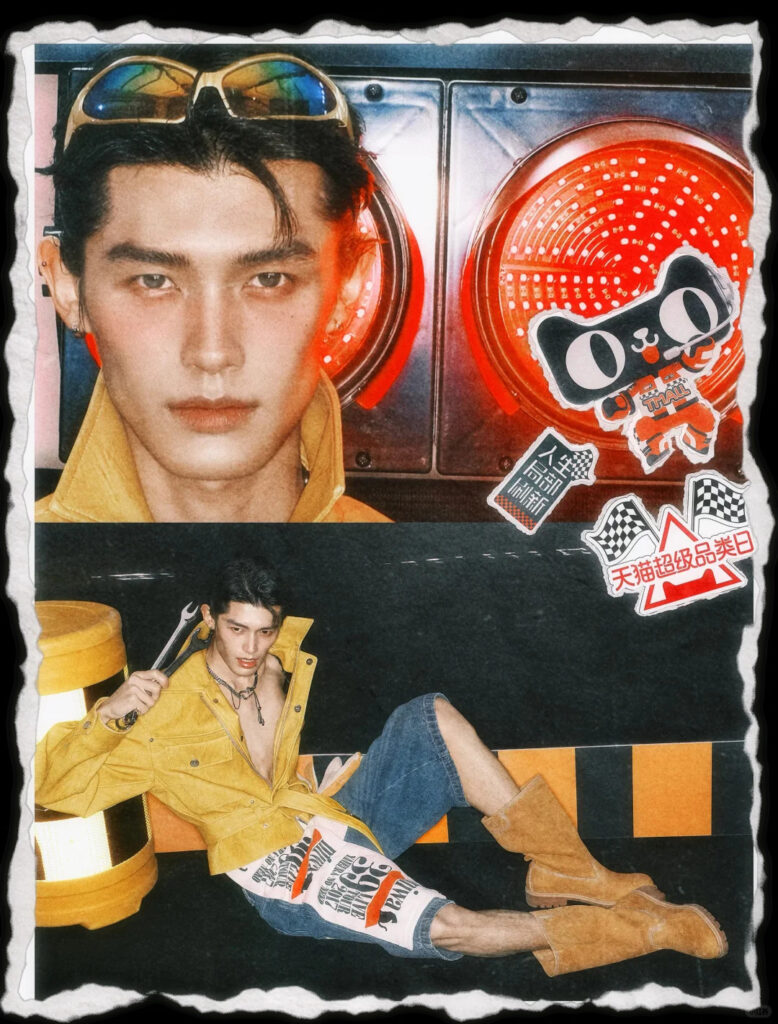
For all its creativity, the campaign remains firmly linked to conversion. Each trend is connected to curated product selections within Tmall, allowing users to move directly from inspiration to purchase. The journey is frictionless: see it, experience it, buy it. And here’s where the strategy comes into focus. The campaign isn’t just about making trends visible. It’s about making them actionable.
Rather than publishing exhaustive lists or flogging consumers with messaging, Tmall has built environments where trends are no longer explained. They are staged, explored and experienced. In a landscape where attention is fragmented and scepticism is high, it’s an approach that carries weight.