


In China, beauty marketing usually sells aspiration: flawless skin, perfect lives, pristine features. SK-II has spent the past decade doing something different. They’ve done away with perfection, instead building campaigns around the emotional pressures facing modern women.
The approach has turned its films into something closer to social commentaries than traditional skincare advertising. Real stories, cultural tension, and emotional honesty sit at the centre of the narrative.
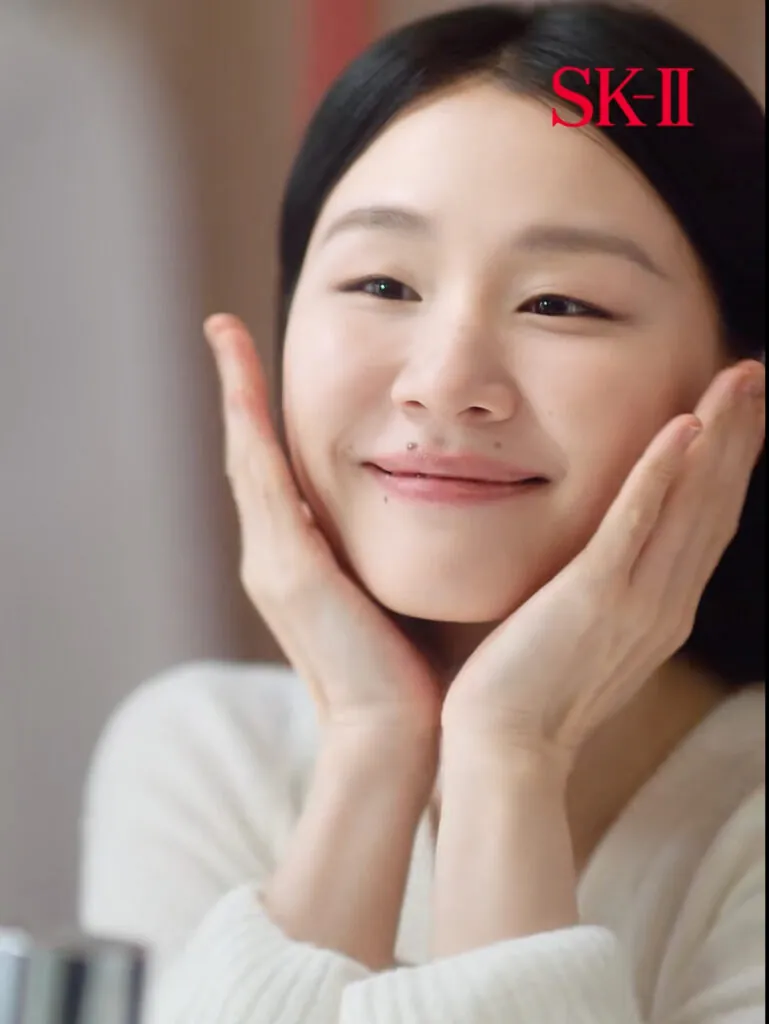
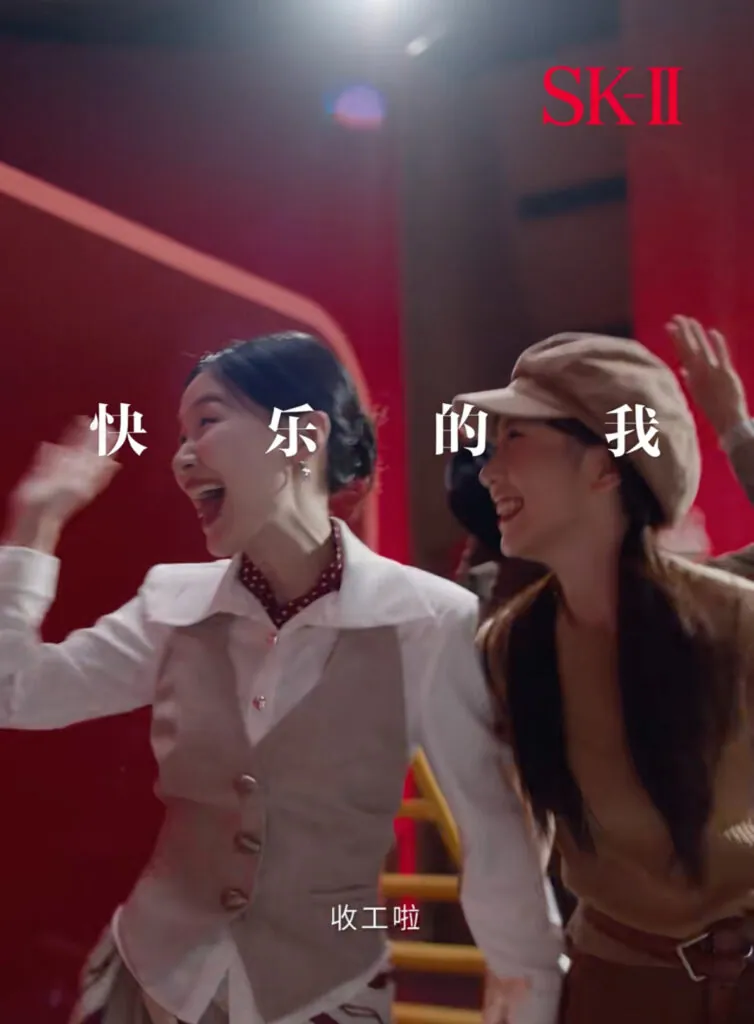
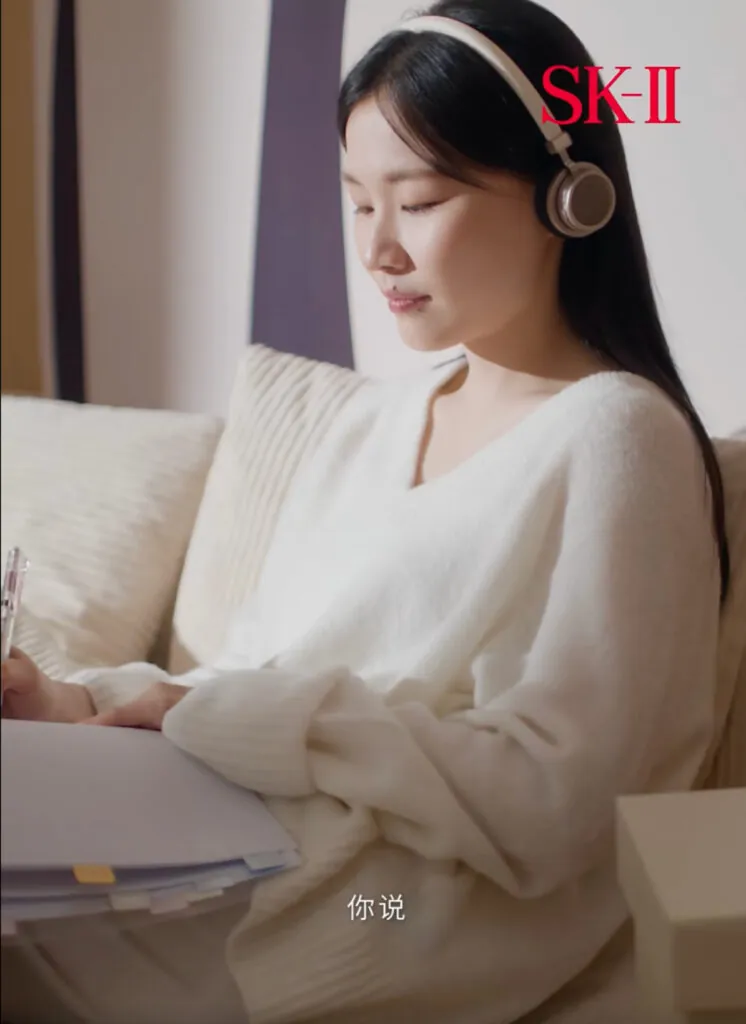
The brand’s latest campaign featuring comedian and actress Jin Jing (金靖) continues that tradition. The film explores ambition, workplace anxiety, generational conflict and identity after motherhood – themes that echo through the lives of many Chinese women today. The approach resonates. To understand why, it helps to look at how SK-II built that strategy in the first place.
The turning point: Marriage Market Takeover
The modern phase of SK-II’s China marketing began in 2016 with its now-famous, then-controversial, Marriage Market Takeover campaign. In many Chinese cities, public parks host marriage markets where parents advertise their unmarried children on paper posters. Women over their late twenties are often labelled shengnü(剩女)– literally ‘leftover women’ – a term loaded with social pressure.
SK-II intervened directly in that space. In Shanghai, the brand replaced the usual parental ads with large portraits and personal statements from single women speaking about their lives and choices.
A documentary film captured the reactions of parents and daughters encountering the installation. The campaign spread rapidly online and sparked widespread discussion about marriage expectations and women’s autonomy in China. For SK-II, the moment was transformative. The brand had moved beyond beauty marketing and into cultural conversation.
From campaign to platform: the Change Destiny era
After the success of Marriage Market Takeover, SK-II expanded the concept into a broader brand platform called Change Destiny. Once again, the series tackled themes that sit at the centre of modern Chinese womanhood: marriage pressure, age anxiety, career ambition and the difficult balance between family expectations and personal goals.
It’s not polished advertising. Rather, the films continued to lean on documentary storytelling and real experiences. The result felt less like a brand message and more like a cultural dialogue.
In a beauty market dominated by product claims and celebrity endorsements, that emotional literacy made SK-II a standout brand. It had positioned itself as something rare in the category: a company that appeared to understand the social realities shaping its audience.
SK-II China marketing: the shift toward authenticity
In recent years, SK-II’s messaging has subtly evolved. Earlier campaigns framed women’s lives through external pressures – family expectations, marriage norms, and societal judgement. More recent films focus instead on internal experience: emotion, identity, and self-acceptance.
Campaigns such as Bare Skin, Bare Soul shifted the conversation toward authenticity, arguing that real beauty comes from embracing imperfections rather than correcting them.


The latest campaign featuring Jin Jing continues that trajectory. Instead of dramatic social conflict, the film presents smaller, more personal tensions: workplace self-doubt, generational misunderstanding between mothers and daughters, the shifting identity that comes with motherhood, and the noiseless discomfort of ambition. The message is simple: happiness is not the only acceptable emotion. Women should be free to experience more than that.
Why the SK-II China marketing resonates
The strength of SK-II’s approach lies in smart cultural precision. China’s rapid economic rise has transformed women’s lives in a single generation. Education levels are higher, careers are more accessible, and personal ambitions have expanded. Yet expectations around marriage, family, and social roles remain deeply embedded.
The result is a society negotiating between tradition and modernity. SK-II’s campaigns play on that tension. Instead of selling an idealised future, the brand reflects the emotional realities women already experience. That shift – from aspiration to recognition – builds a rare kind of connection, turning a skincare brand into a participant in China’s broader conversation about identity and autonomy.