




Volvo Cars (沃尔沃汽车) has turned north China’s brutally cold winter into its latest marketing stage. In Harbin’s Central Street this month, the Swedish premium automaker placed a locally produced Volvo XC70 inside a hefty block of ice. The stunt is part art installation, part live extreme-weather test. Plans are to run it until early February, where temperatures are expected to plunge to –30°C.
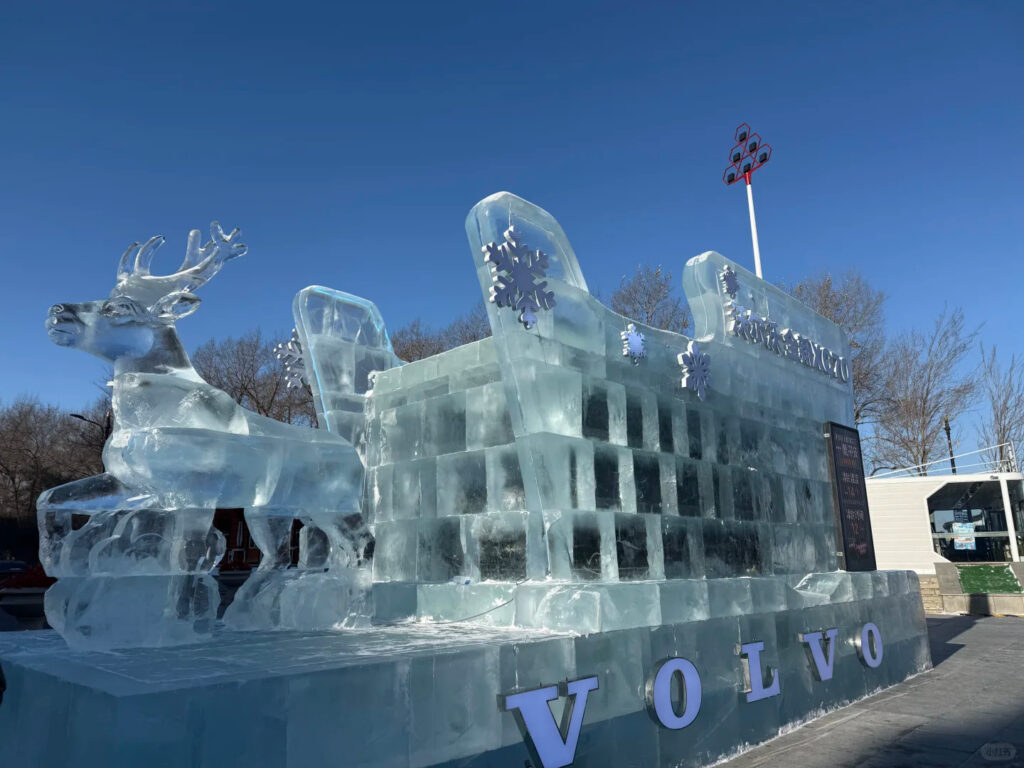
Rather than a closed-door R&D exercise, Volvo’s choice to encase the vehicle where millions of locals and tourists pass daily is a bold move. But Volvo operate in a market where real-world performance is a cornerstone of product offering. This is often expressed in video ads of vehicles off-roading it on mud trails or deserts. Volvo’s approach skips the lab footage and goes straight for something people can film, share and argue about on Douyin and Rednote.
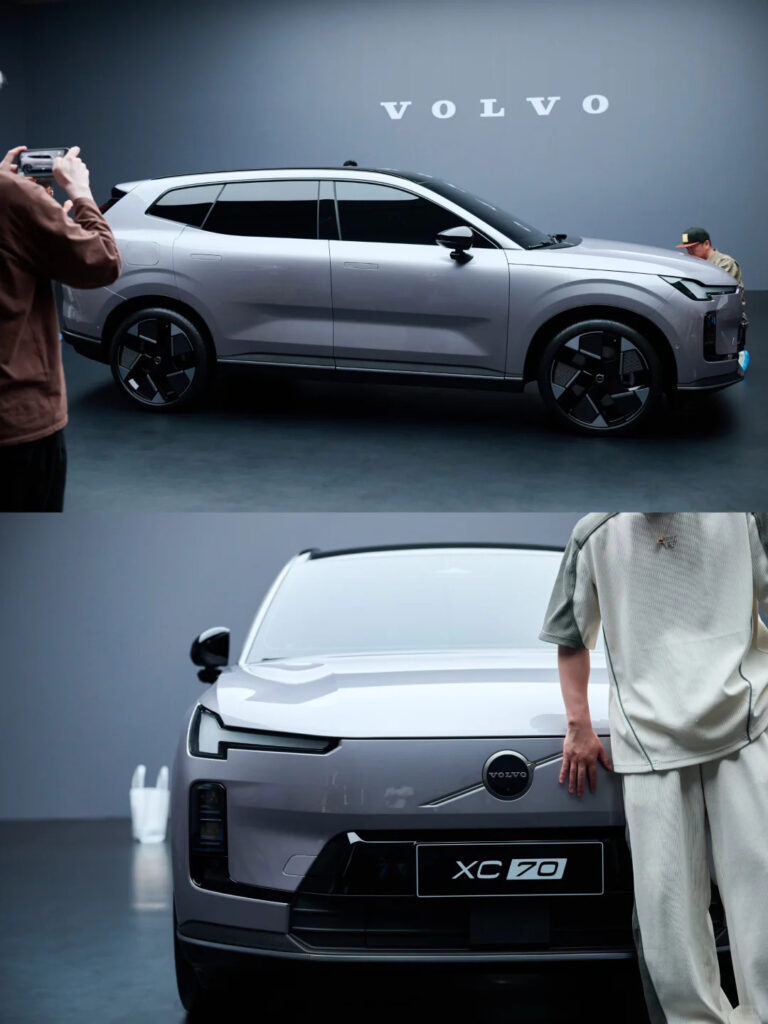
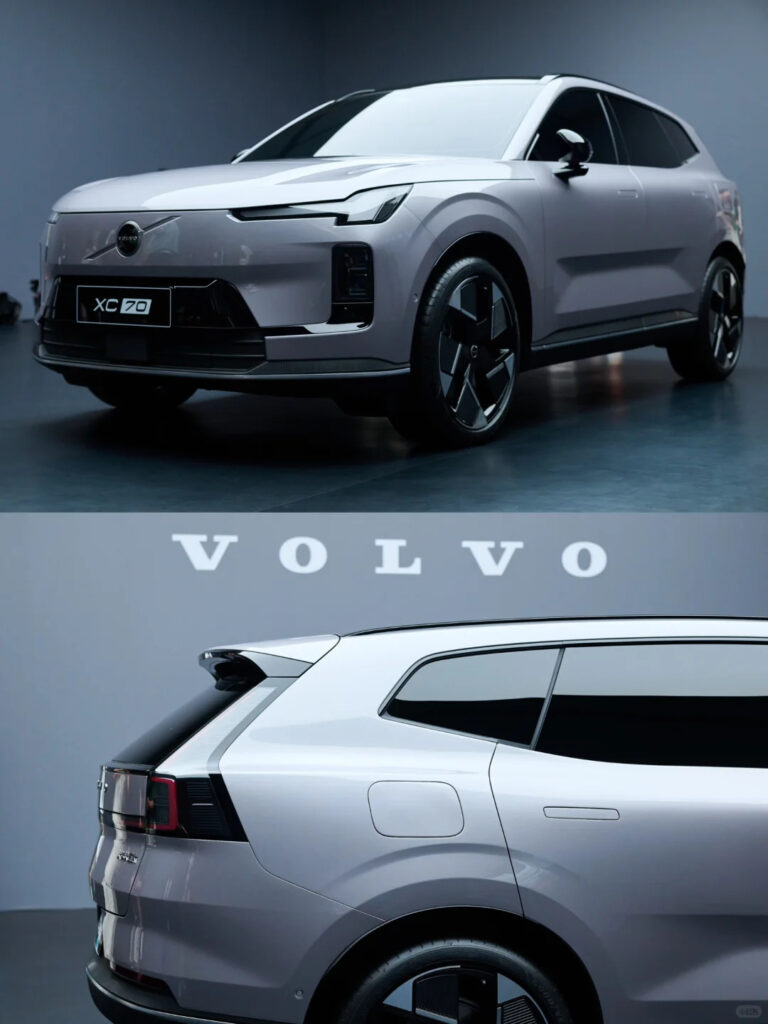
Harbin, at this time of year, is a tourist hotspot. Millions flock to China’s frozen north to visit the city’s ice festival, so there’ll be no shortage of eyes on what Volvo is doing. Looking at this more broadly, the move also fits Volvo’s business aims.
As with many automobile brands, China is a core market – one that promises sales figures beyond their domestic markets, should the nut be cracked. For Volvo, stakes are even higher. They’ve bet on the market to be a cornerstone of their global manufacturing footprint amid falling sales.

They’ve also moved towards full ownership of their Chinese manufacturing operations, consolidating control of their plants in Chengdu and Daqing with a view to ensuring global quality benchmarks, and are now exporting cars from China back to Europe and the U.S.
This emphasis on Chinese manufacturing operations also allows Volvo to boost supply chain resilience, but also allows Volvo to respond quickly to the demands of the Chinese market – now the largest auto market in the world.